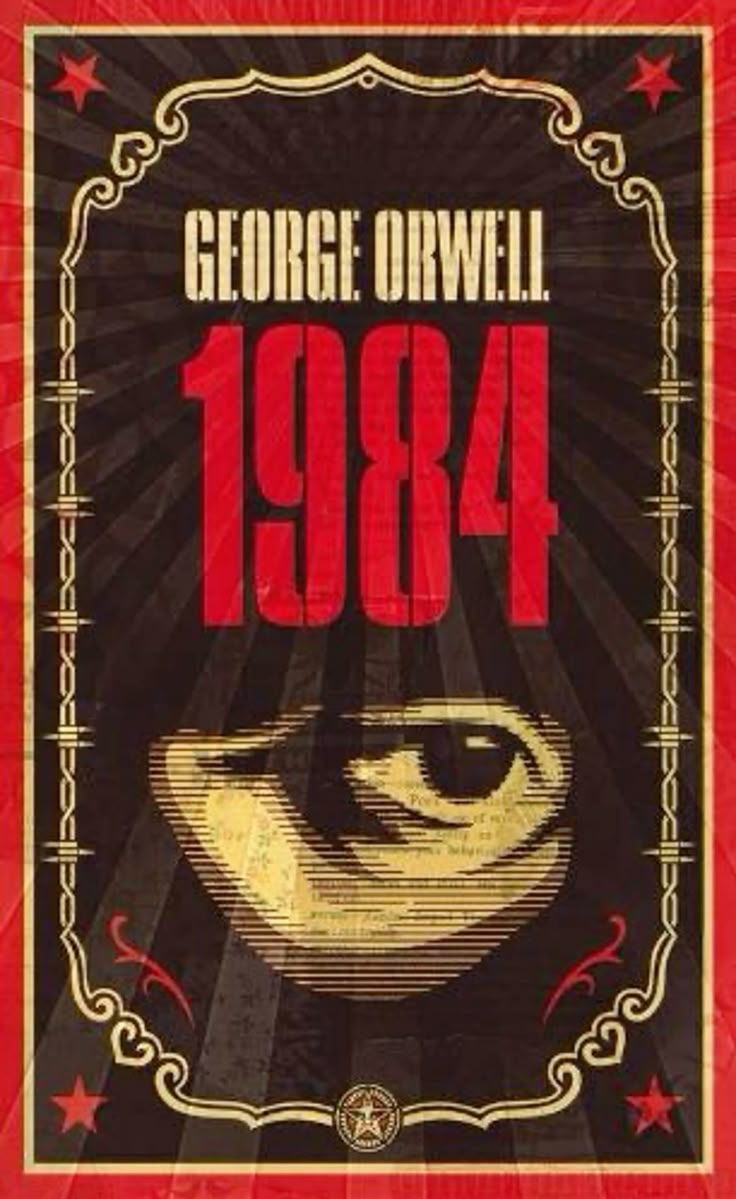
1. The "Newspeak" Dictionary Create an interactive glossary of the terminology Orwell invented. This is often what readers find most fascinating (and terrifying). Doublethink: Holding two contradictory beliefs simultaneously. Unperson: Someone who has been vaporized and erased from history. Thoughtcrime: The act of having unorthodox thoughts. 2 + 2 = 5: The ultimate symbol of the Party’s power to override reality. 2. The Hierarchy of Oceania A visual breakdown of how the society is structured. This helps users understand that the "Party" isn't everyone—most people are actually "Proles" who live in the margins. Big Brother: The infallible leader at the top. Inner Party (2%): The elite who make policy and enjoy luxuries. Outer Party (13%): The middle-class workers (like Winston) who are most heavily surveilled. The Proles (85%): The working class, ignored by the Party because they aren't seen as a threat. 3. Historical Context & "Orwellian" Origins Users love to know the "why" behind the "what." You could include: The Year 1948: Explain how Orwell simply flipped the last two digits of the year he wrote it (1948) to create the title. Real-world Inspirations: How the Ministry of Truth was inspired by Orwell’s time at the BBC, and how the "Thought Police" mirrored the secret police in Stalinist Russia. 4. Interactive "Surveillance" Features To make the site "sticky," add some interactive elements: The Telescreen Effect: A fun (but slightly creepy) UI element where a "Big Brother" eye follows the user’s cursor around the screen. A "Thoughtcrime" Quiz: A personality quiz that tells users how long they would last in Oceania before being arrested. 5. "1984 in the 21st Century" A blog or essay section comparing the book to modern technology. Smart Devices vs. Telescreens: How our phones and smart speakers compare to Orwell’s 24/7 surveillance. Deepfakes vs. The Ministry of Truth: How AI-generated media makes the "alteration of the past" a modern reality. 6. Character Profiles Detailed breakdowns of the three main archetypes: | Character | Role | What they represent | | :--- | :--- | :--- | | Winston Smith | The Rebel | The struggle of the individual to maintain memory and truth. | | Julia | The Pragmatist | Rebellion through physical pleasure and living in the moment. | | O’Brien | The Antagonist | The cold, intellectual nature of absolute power. |